
Outbreak Prevention & Solutions
Diversey understands the threat that outbreaks present to your customers, guests, staff, patients and visitors. Our commitment to a cleaner, healthier future is reflected in the support that we provide to help you minimize this risk, and maintain a safe facility. Proper disinfection is a key prevention measure in any building. Disinfection products that meet the Centers for Disease Control and Prevention (CDC) and World Health Organization (WHO) recommendations for environmental infection control of key pathogens on surfaces can help to create healthier environments, enhance productivity and lower overall facility costs.
Our Commitment
Resource availability
Diversey has launched a series of resources to help organizations manage outbreaks including providing education and training for organizations regarding best practices for cleaning and disinfection in public environments. All reference materials reflect the recommendations of the World Health Organization (WHO) and the Center for Disease Control and Prevention (CDC).
Expert advice
Diversey experts are available for consultation on cleaning and hygiene processes for hospitals and public areas such as schools and office buildings. Our team of experts will provide guidance to facility managers who are looking to assess their hygiene protocols and make improvements to their current practices.
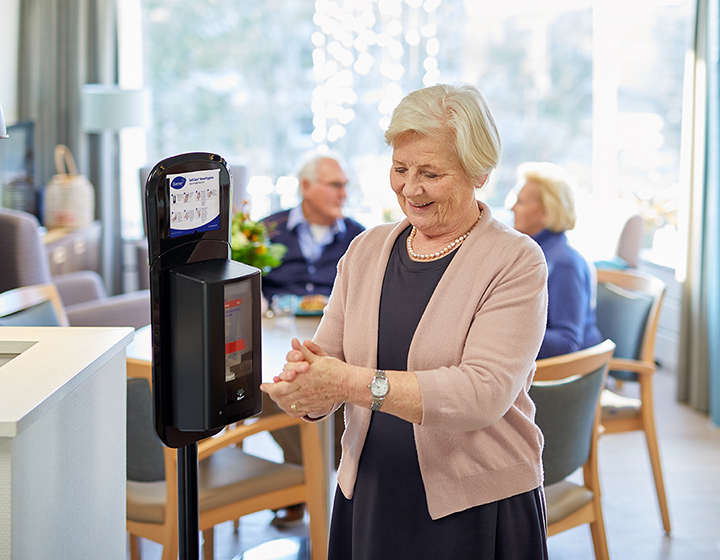
Practice proper hand hygiene
Frequent hand washing with soap and water or use of alcohol based hand rub can prevent the transmission of disease causing microorganisms.